
What Are Wood Flooring Patterns?
Time to stop thinking that a wood flooring pattern refers to the patterns on the wooden boards; let’s clear up the misconception. Wood floor patterns refer to the arrangement and layout of the wooden planks, which create a specific visual effect (especially because each plank is unique due to its natural grooves and hue).
While flooring types define the material or manner of construction of the floor, wooden flooring patterns focus on design, layout, and laid directions of the planks.
Now, there is a science behind choosing the right wood floor design patterns for your space, as it influences the spatial effect and ambiance of your space. Certain layouts can create a sense of openness and symmetry, while others add momentum, depth, and even luxurious character richness. Patterns range from classic layouts to decorative parquet arrangements, leaving a wide array of aesthetic makeover possibilities.
Understanding and knowing the difference between flooring materials and installation layouts is vital when it comes to exploring different wooden flooring patterns for homes, offices, premium interior spaces, etc.
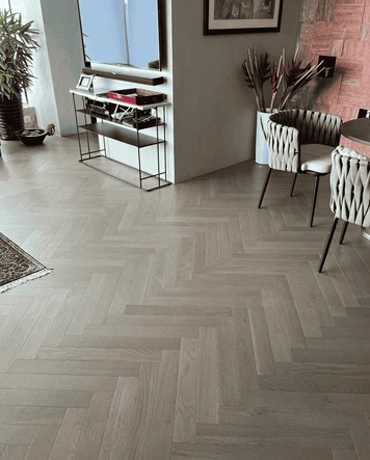
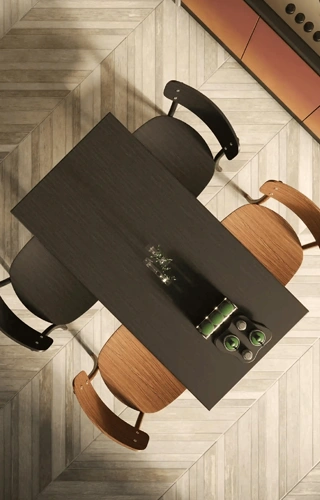
Types of Wood Flooring Patterns
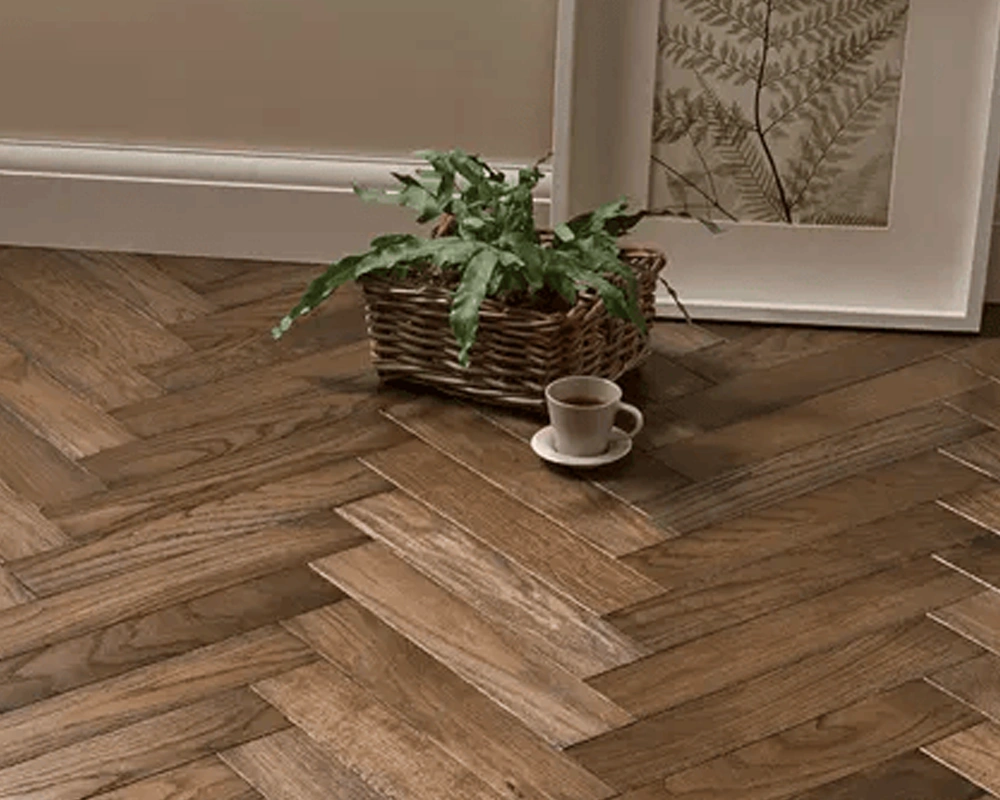
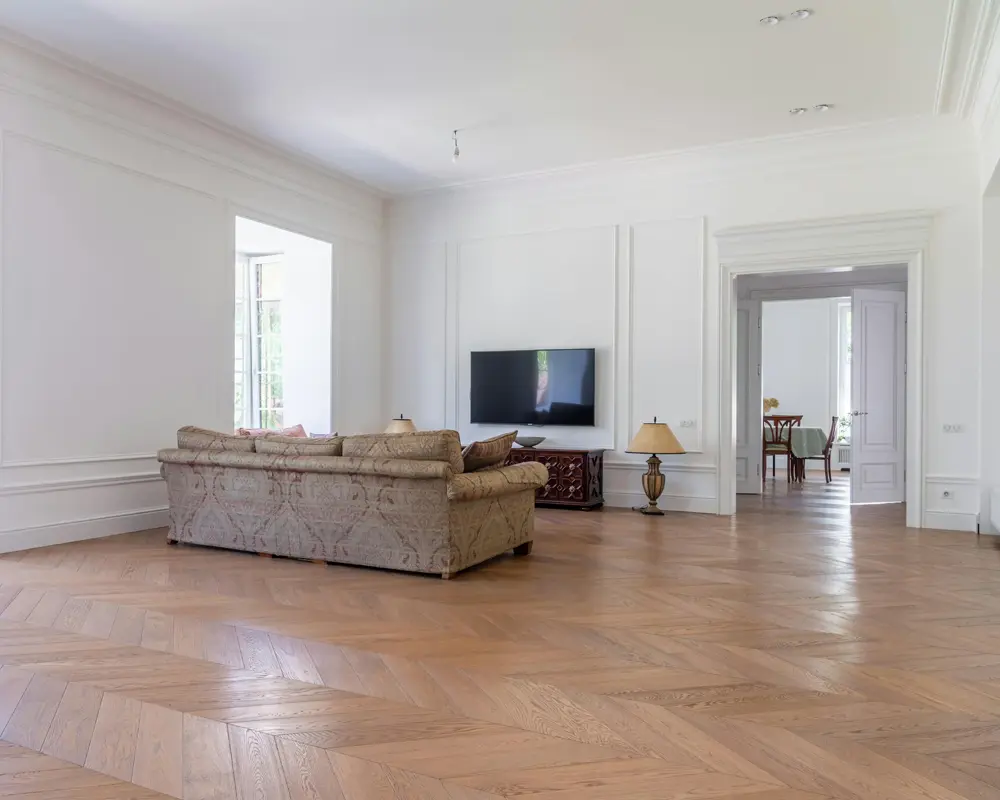
Benefits of Wood Flooring Patterns
When the right wooden flooring pattern is chosen, it does much more than just improve appearance; they impact spatial perception, interior balance, and overall value of the property.
Here are some undeniable benefits of wooden flooring patterns:
| Wood Floor Pattern | Visual Style | Best Suited For | Spatial Effect |
|---|---|---|---|
| Herringbone Pattern Wood Floor | Classic, Luxurious and Much-detailed | Living rooms, premium residences, and boutique spaces | Adds movement and depth |
| Chevron Pattern Wood Floor | Clean, symmetrical, and contemporary | Modern apartments, offices, and luxury interiors | Creates directional flow |
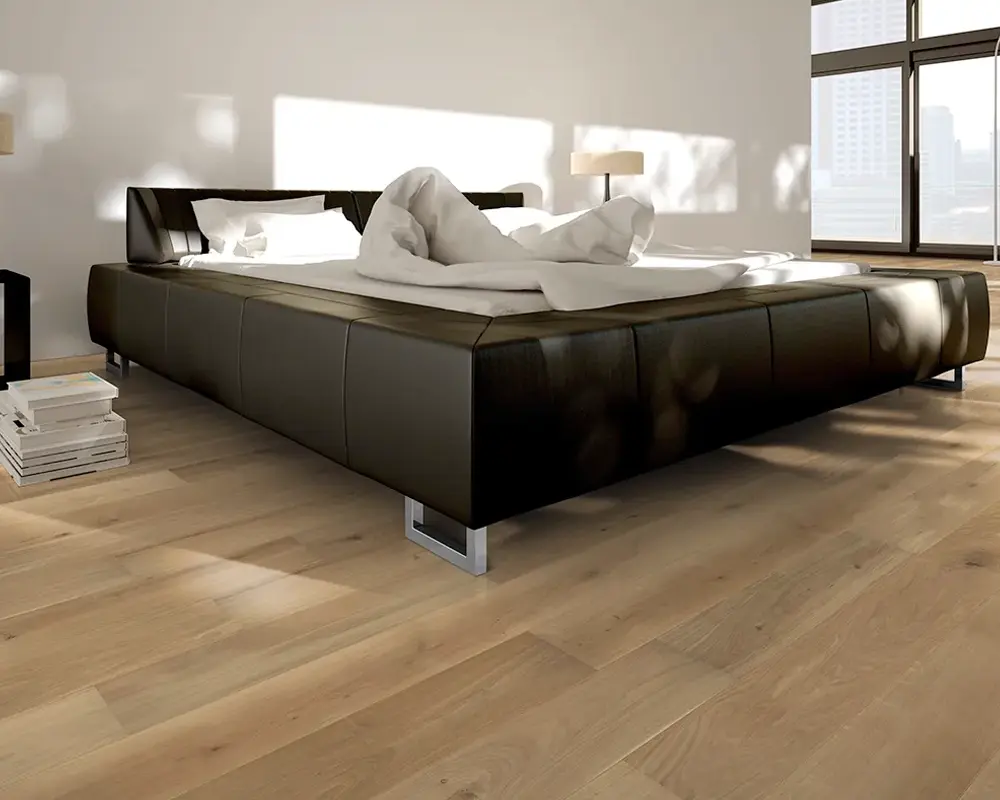
| Straight Plank Pattern Wood Floor | Minimal, versatile, and classic | Residential and commercial spaces | Makes compact rooms appear longer |
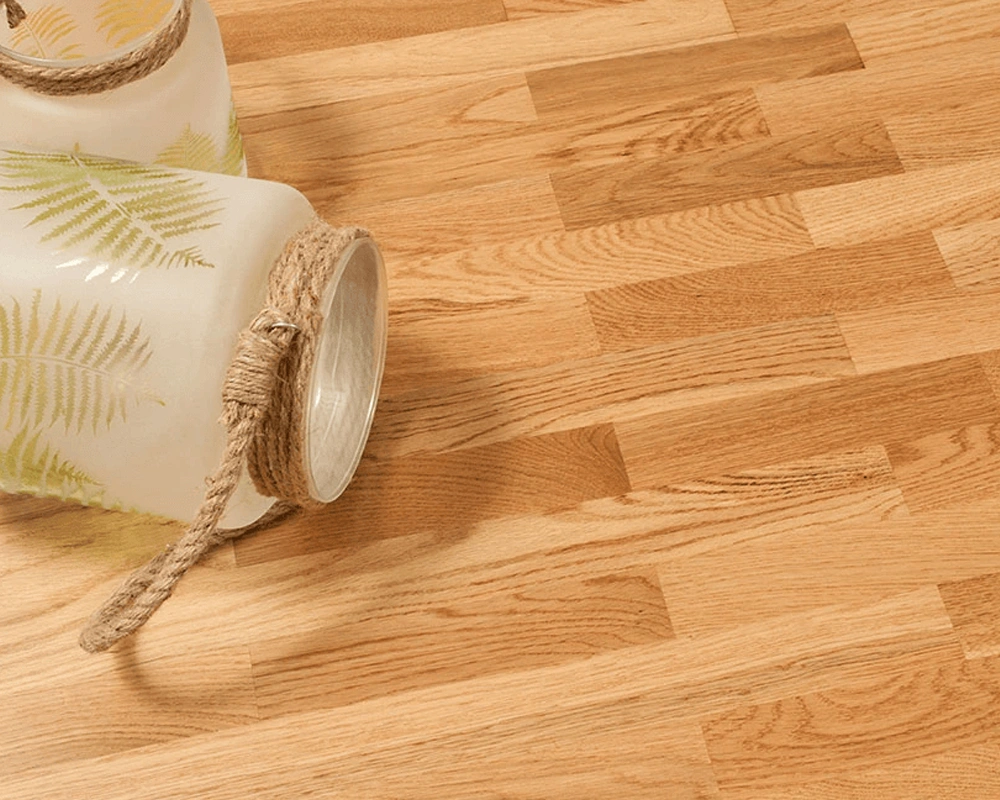
| Parquet Wood Flooring Patterns | Decorative and geometric | Luxury homes, hospitality spaces, and statement interiors | Adds texture and visual richness |
Comparison of Different Types of Wood Flooring Patterns
Each wood flooring pattern varies in its visual impact, design effect, and suitability. Let’s compare them in selecting the right pattern based on aesthetic and practical application.
FAQs on Wood Flooring Patterns
Wood floor patterns refer to the arrangement and layout of the wooden planks during installation, which create a specific visual effect.
A straight plank-pattern wood floor by far remains the most popular and commonly opted-for choice, given its clean appearance, low installation complexity, versatility to adapt, and minimal material waste. That being said, herringbone and chevron have gained insane popularity in luxury and design-focused projects.
Herringbone-pattern wood floor uses rectangular planks installed at 90-degree angles in a staggered zig-zag layout, whereas chevron-pattern wood floor uses angled planks that align perfectly to form a continuous V-shape.
Chevron appears more symmetrical, and herringbone appears more textured.
Straight plank floor patterns are ideally recommended for small/compact rooms as they create visual length and openness. A bonus tip is to go for lighter wood tones and pair them with directional layouts; this can also help small spaces appear larger.
While wood-pattern tile can imitate the appearance of natural wood, it still does not offer the same natural texture, warmth, or authenticity as real wooden flooring. The lack of natural distinct features (visual repetition) and a much harder surface feel make the tiled alternatives appear way less premium.