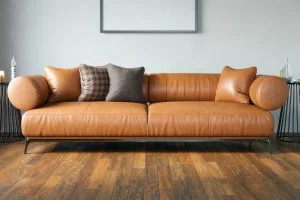

If you have been a traveller and ever walked into a century-old homestay, European home, or a bnb, there is 99.9999999% that the floors you stepped on are very much the original installs. Now, trust us, this is the irresistible appeal of solid hardwood flooring (crafted from a single piece of natural wood). Biggest perk, you ask? Unmatched authenticity, Unique character, and durability.
Solid wood floors can be sanded and refinished multiple times, making it super easy to maintain and keep up the new look for generations to come. You don’t have to just take our word for it; the National Wood Flooring Association backs this fact too.
If you are a homeowner lacking the patience to read this article, just ensure you read the next 2 lines. The best solid hardwood flooring for your home depends on the key feature you are looking for.
Most reliable & popular choices for premium residential projects are;
- Oak wood is picked for its versatility,
- Teak wood for its timeless classic appeal, and
- Walnut wood for its rich, contemporary character.
In India, the real hardwood flooring cost is subject to the chosen wood species, grade, and plank size. But of course! there’s more that you need to account for.
Now, before you make up your mind, let’s do a crash course on what exactly is solid wood flooring and its benefits.
Unlike engineered wood flooring, every millimeter of solid wood flooring is crafted from a single, solid piece of natural wood without any composite core, adhesive layers, or layered construction. What you see on the surface here runs all the way through
6 Benefits of Oak Solid Hardwood Floors Based on Real Case Studies
+ Will Last Your Lifetime
Longevity and durability are the biggest advantages that one wants, and what solid hardwood flooring offers. According to NWFA, floors installed in Victorian-era homes and colonial bungalows in India approx 100 years later, are still in use today.
+ Ability to be Refinished
Oak Solid hardwood floors can be sanded and refinished multiple times, extending their lifespan. A standard 20mm solid wood flooring plank can typically undergo 5 to 8 refinishing cycles, restoring its appearance without demanding a full replacement.
Potential Refinish Cycles: 5–8 times over the floor’s lifespan.
+ Positively impacts indoor air quality
Now, unlike carpets or rugs, solid hardwood flooring does not hold on to dust, pollen, pet hair, or any other allergens. As the American Lung Association recommends, wooden floors are a healthier alternative for a cleaner household, especially when you have kids or pets.
Dust & allergen retention: Minimal compared to carpets/rugs.
+ You get 100% unique flooring
The natural grain variation, knots, grooves, and mineral streaks give you a floor with authentic character that cannot be replicated or manufactured even with intention.
+ Pattern repeat percentile: Zero, every plank is absolutely unique because it’s natural wood.
+ Naturally Warm and Comfortable
+ A Long-Term Choice
Crash Course on Species Guide
Best Solid Hardwood Planks for Indian Homes
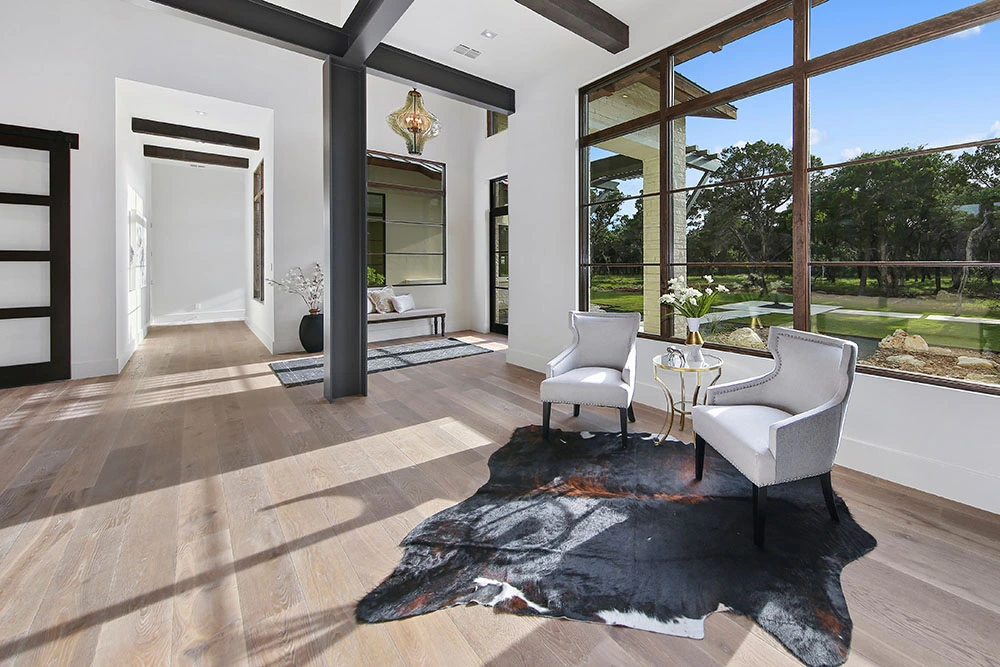
Not every wood is the same; just because you opted for solid hardwood flooring, there are different species within this type, and each of them performs differently. The species of hardwood affects your floor’s scratch resistance, color stability, grain pattern, moisture behavior, maintenance requirements, and the lifespan of your floor.
For Indian homes, choosing the right wood species is just as important as choosing the right finish or installation method. Below are six species ranked by how well they hold up in Indian conditions:
| Burma Oak | Indian Teak | American Walnut | White Ash | Maple | |
|---|---|---|---|---|---|
| Origin | Europe (Germany, France) | Myanmar, South India | North America | North America & Europe | North America |
| Colour Range | Pale gold → Warm amber | Golden brown → Dark honey | Chocolate brown → Purple-grey | Light beige → Pale brown | Creamy white → Light tan |
| Humidity Rating | Good | Excellent | Medium | Medium | Low to Medium |
| Installation | You can opt for a floating, glued-down, or nailed-down installation. | You can opt for a floating, glued-down, or nailed-down installation. | You can opt for a floating, glued-down, or nailed-down installation. | You can opt for a floating, glued-down, or nailed-down installation. | You can opt for a floating, glued-down, or nailed-down installation. |
| Maintainence | Daily dusting, damp microfiber cleaning, and re-oiling or refinishing every 5–7 years. | Daily dusting, once-a-month deep cleaning, and re-oiling every 6-12 months. | Daily dusting with a soft broom; use only recommended wood cleaners; refinish the floors every few years. | Daily dusting, regular damp microfiber cleaning, and refinishing every 5–7 years to maintain its natural finish. | Daily dusting, damp microfiber cleaning, and refinishing depending on the wear. |
| Avoid | Standing water, abrasive cleaners, steam mops, and prolonged direct sunlight without UV protection. | Harsh chemicals, steam mops, & excessive water. | Soaking wet mops, direct sunlight exposure & lasting liquid spills. | Standing water, harsh chemicals, prolonged UV exposure, and abrasive cleaning tools. | Excess moisture, steam mops, abrasive cleaners, and prolonged standing water. |
Here’s HKS Expert Recommendation for India 2026
European oak is the better choice for most homes in Tier 1 cities, having good resistance against everyday scratches from furniture, footwork, and pets. It also handles humidity better than ash or walnut, making it more stable across seasons. Offers visual versatility and the colour works equally well in traditional and contemporary Indian interiors. This is extremely useful in India, where floors are often exposed to strong indirect sunlight through windows.
Supply of European oak is also more consistent globally compared to some of the other species. For coastal cities and ground-floor apartments, our advice is to go with engineered construction, which offers better resistance to moisture.
One-Stop Guide on Solid Hardwood Flooring Plank Width, Length, and Thickness
One thing we strongly suggest you never take lightly is the decision over the dimensions of your solid hardwood flooring planks, as it directly influences your floor aesthetics. Variables that affect visual scale, installation complexity, material yield, dimensional stability, and your overall project cost.
The right dimension ensures your floor looks proportionate and performs well over time.
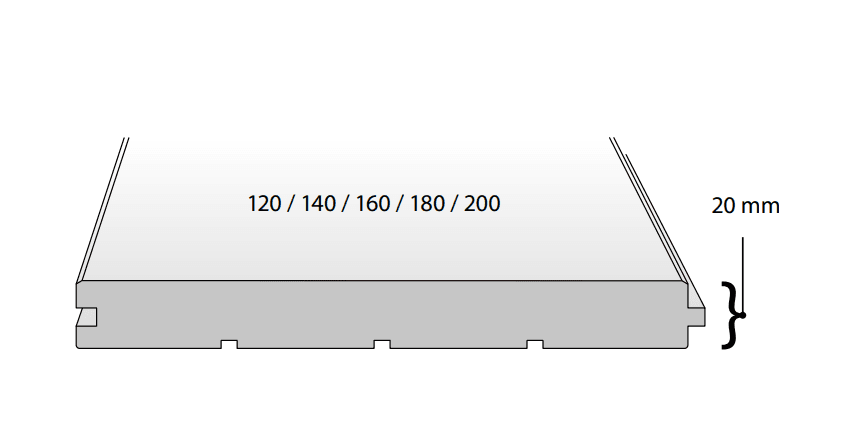
Your Plank Width Guide:
| Width Category | Dimensions | Visual Effect | India Suitability | Stability in Humidity |
|---|---|---|---|---|
| Narrow Plank | 140–150 mm | Appears classic, and traditional; an ideal for compact rooms and heritage interiors. | Suitable across all Indian climates. | Highest stability |
| Mid Plank | 180–190 mm | Gives a balanced and versatile appearance and works great for both modern and traditional interiors. | Recommended for most Indian homes. | Excellent stability. |
| Wide Plank | 200 mm | Gives a contemporary and spacious feel; highlights natural grain patterns effectively. | Best for drier regions and climate-controlled homes. | Moderate stability. |
| Extra-Wide Plank | 220 mm+ | Luxury, statement-making aesthetic look with fewer seams. | Recommended primarily for controlled indoor environments only. | Lower stability due. |
Your Plank Length Guide:
| Length Category | Dimensions | Visual Effect | Best Application |
|---|---|---|---|
| Short Length | 1500 mm | Traditional patterns with dynamic patterns give out a lot more variation. | Bedrooms, smaller rooms like study room and library, etc. |
| Medium Length | 1800 mm | Gives a balanced appearance with fewer joints. | Apartments, villas, and residential projects. |
| Long Plank | 1900 mm | Offers seamless, premium look, enhancing the spatial effect. | Living rooms, open-plan homes, and studio apartments. |
| Extra-Long Plank | 2200 mm | Gives ultra-luxury appearance with minimal seams. | Villas, hospitality, and large corporate spaces |
Your Plank Thickness Guide:
| Thickness | Refinish Potential | Best Use in India | Structural Stability | Typical Price Premium |
|---|---|---|---|---|
| 18 mm | 4–5 times | For most residential projects | Very Good | +10–15% |
| 20 mm | 6–7 times | For premium residences and high-traffic family homes. | Excellent | +20–30% |
| 30 mm+ | 7–8 times | For luxury homes, commercial projects, and heritage restorations. | Outstanding | +35–50% |
Moving on to the important aspect, let’s get into the solid hardwood flooring cost per square foot breakdown (India 2026)
What most retailers or store owners must convey from the very beginning is that the project cost is more than just the material price. Here’s the reality: your project cost includes subfloor preparation, moisture protection, actual installation, adhesives, skirting, and finishing. To make your job way easier, the table below provides a clear and transparent cost breakdown based on our actual project data from Mumbai, Bengaluru, Ahmedabad, and other major Indian cities in 2026.
Cost Components that affect your overall project cost;
- Solid hardwood material
- Subfloor preparation
- Vapour barrier
- Installation labour
- Adhesive
- Skirting/beading
- Site finishing
Across India, solid hardwood flooring projects typically range from ₹850 to ₹1,500+ per sq ft, depending on the wood species, plank specifications, installation method, and site conditions.
The CARE Framework
For Year-Round Maintenance of Indian Oak Solid Hardwood Floors.
Avoid Moisture Exposure
Absolutely avoid using a wet mop on your wood floor. A damp mop with a well-wrung cloth is the safest approach; wipe the spills quickly. Place waterproof mats near kitchen doorways, sink spaces, and pet water bowls as these spots are where moisture damage usually starts.
Regular Cleaning Routine
Sweep or vacuum daily with a soft mesh cloth to avoid scratching the surface. For damp mopping, use a pH-neutral wood cleaner at least once a week. Do regular inspections for scratches, loose boards, or squeaks to spot issues early on and prevent minor repairs from turning into bigger repairs.
Periodic Refinishing
The most important rule to keep in mind is to never apply wax on lacquered floors, as it blocks future recoating possibilities. If you have lacquered floors, get a professional buff and recoat every 5–8 years; for oil or hardwax finishes, do a full re-oil every 3–4 years.
Here’s a Bonus Info
What NOT to Use on Oak Solid Hardwood Floors in India
❌ Avoid steam mops; steam works its way into the joints and permanently swells up the wood fibres.
❌ Don’t use wet mops or bucket cleaning method as standing water breaks down edge joints within months.
❌ Don’t use vinegar or acidic cleaners; they strip the protective finish and dull the surface
❌Don’t use bleach or ammonia; it de-colours the wood and damages the lacquer.
❌ Avoid silicone-based polishes, it leaves a film that makes future refinishing nearly impossible
❌ Don’t use rough-bristle brooms or vacuum beater bars
❌ Avoid phenol-based floor cleaners (common in India – Phenyl, Dettol floor cleaner, etc), it damages the wood’s protective finish.
For one-on-one detailed discussion or appointment, get in touch with us at +91 98193 49095, studio@hksflooring.in