

Table of Contents
- Let’s start from the basics: what exactly is engineered wood flooring?
- Sparing your time, here’s a snap read on engineered hardwood construction and technical details
- Reason behind the growing popularity, benefits of engineered wood flooring
- Maintain the durability, quality, and longevity of engineered flooring.
- What’s trending in engineered wood flooring?
- Other Frequently Asked Questions About Engineered Hardwood Flooring
- Our Final Thoughts
Tired of endless research on modern flooring options? Confused with reading “engineered wood flooring” again and again? You are not the only one. Countless homeowners and business owners keep coming across this term, and their Google search is dominated with finding the difference between engineered and solid wood flooring and its suitability for Indian homes.
As a solution, we have curated this 101 guide that clearly breaks down the construction, performance, variety, and long-term value—everything that can and will help you make an informed decision.
Let’s start from the basics: what exactly is engineered wood flooring?
Engineered wood flooring is a product where the top layer is a real hardwood (called a veneer), bonded to multiple layers of plywood underneath that are laid cross-directionally beneath, adding significant structural stability.
Now this is different from a solid wood plank, as they expand and contract with climate changes, whereas engineered hardwood floors are designed to resist warping, swelling, and shrinkage.
For homes that are located in regions subjected to temperature changes, moisture fluctuations, and daily wear and tear, they need a practical choice, and hence engineered wood flooring wins the battle and becomes a popular choice for a wider range of spaces, including apartments, villas, etc.
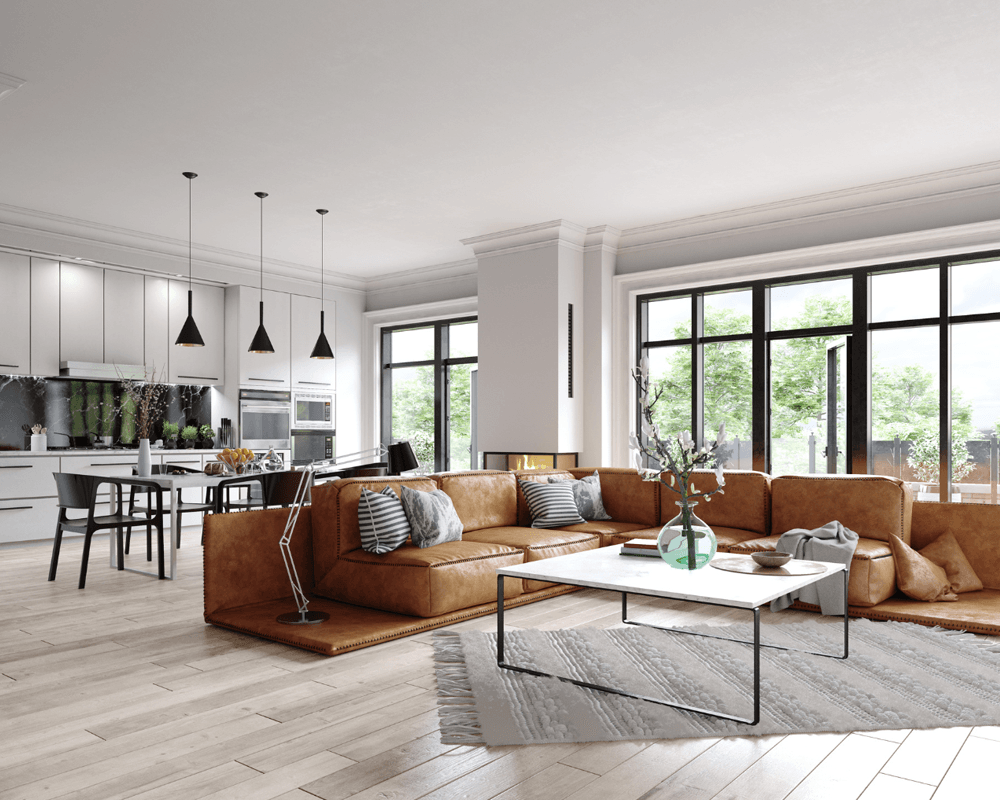
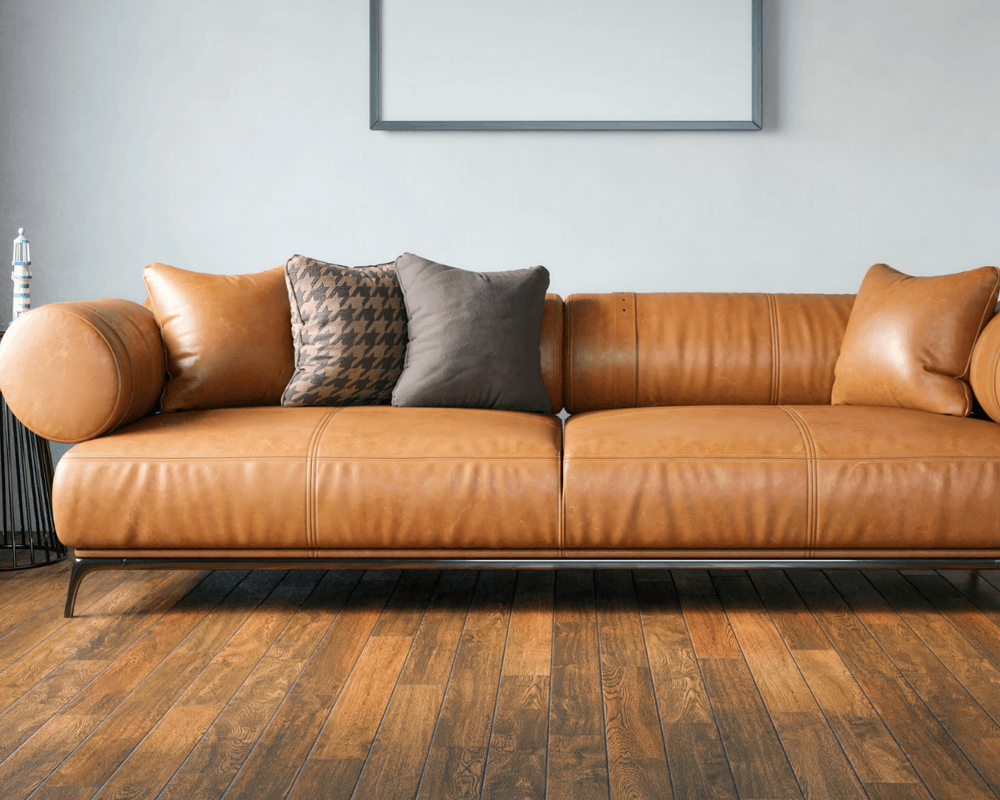
After understanding the engineered wood floor, wondering how it stands against the solid wood variety ? We have laid some deep insights about the same.
Read: Engineered Wood Flooring vs. Solid Wood Flooring: Which One Is Right for Your Home?
Sparing your time, here’s a snap read on engineered hardwood construction and technical details.
The performance of engineered wood flooring lies in
- A real hardwood top layer (preferably oak, walnut, or teak; exotic species are a choice too.)
- Core layers are multiple plywood layers arranged and laid in opposite directions.
- A backing layer that adds balance and structural stability.
The entire trick is in this layered structure that allows the engineered hardwood to handle temperature fluctuations around 30-40% better than solid wood floors (this is backed by flooring performance studies published by the National Wood Flooring Association—NWFA).
Engineered hardwood flooring also has types,
and understanding types of engineered wood flooring helps you choose the right option for your space and needs. The type is based on plank construction, veneer thickness, and installation method.
The performance of engineered wood flooring lies in
- Multi-ply engineered flooring: Uses high-quality plywood layers that offer superior stability and longevity.
- Click-lock engineered flooring: Is designed for faster installation without using any adhesives, an ideal choice for renovation projects.
- Tongue-and-groove-engineered flooring: This one is a more traditional installation that’s popular for long-term performance.
The top layer thickness typically ranges from 3 mm to 6 mm, and the thicker the top layer, the greater the chance to lightly refinish it, which extends its lifespan significantly.
Reason behind the growing popularity,
benefits of engineered wood flooring
- Perfect balance of aesthetics and performance.
- Greater stability, as it is less prone to warping than solid wood.
- Holds an authentic grainy look and texture, keeping the real wood appearance intact.
- Has a wider installation scope, making it a suitable choice for basements, apartments, attics, etc.
- Longer lifespan, approximately two to three decades with proper care.
- Is a sustainable choice, as it uses less hardwood than solid wood planks.
As per the global flooring market data, engineered hardwood flooring currently accounts for over 60% of new wood flooring installations, especially in urban residential projects.
Maintain the durability, quality, and longevity of engineered flooring.
Basic care can take you a long way ahead and retain that beauty for years to come.
- Regular sweeping or vacuuming
- Using a damp mop
- Avoid using any harsh chemical cleaners
- An additional tip is to use felt pads under furniture.
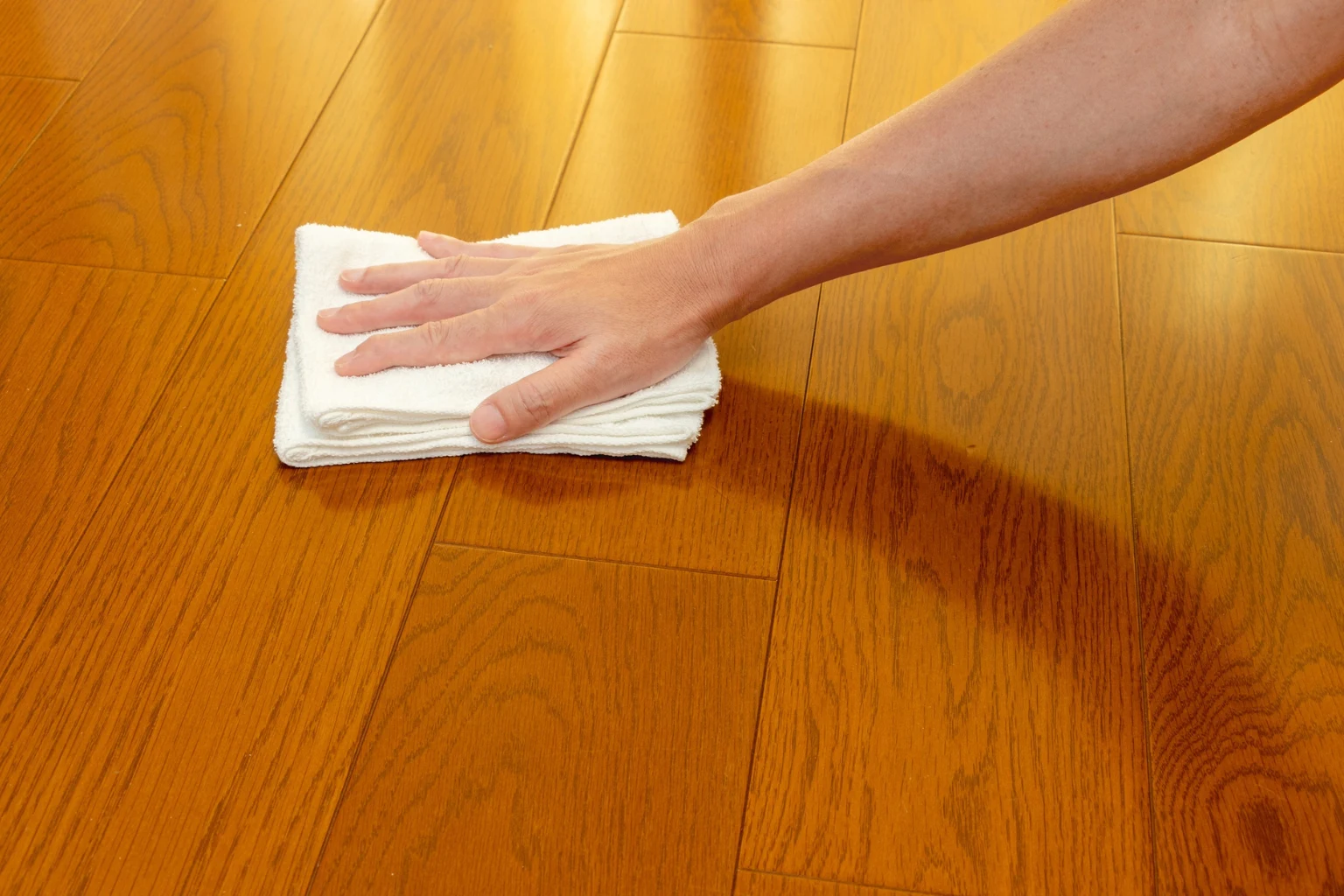
Being a long term investment, your engineered wood flooring deserves all the care and maintenance. From cleaning it daily to knowing when exactly to refinish it , we have covered all in our blog How to Keep Your Engineered Wood Floor Looking New for 10+ Years in detail.
What’s trending in engineered wood flooring?
Now that you have understood the fundamentals, selecting the most suitable flooring that fits in decor style as well as the current trends is the next step.. We have tried to add some 2026 trends in wood flooring styling.
Read: Engineered Wood Flooring Trends 2026: Custom Patterns, Scale and Character
Other Frequently Asked Questions About Engineered Hardwood Flooring
Our Final Thoughts
With all the understanding about engineered wood flooring, it’s evident as to why it’s a preferred choice for modern homes, whether it’s a renovation or a new project. Engineered flooring is a smart, future-ready solution for everyday practicality.
Want help selecting the right species, type, format, installation, etc.? Then with zero hesitation reach out to our team for a quick chat. Connect – HKS Flooring LLP